
How Remote Care Monitoring Technology Helps Save Lives in the Cold Winter Months
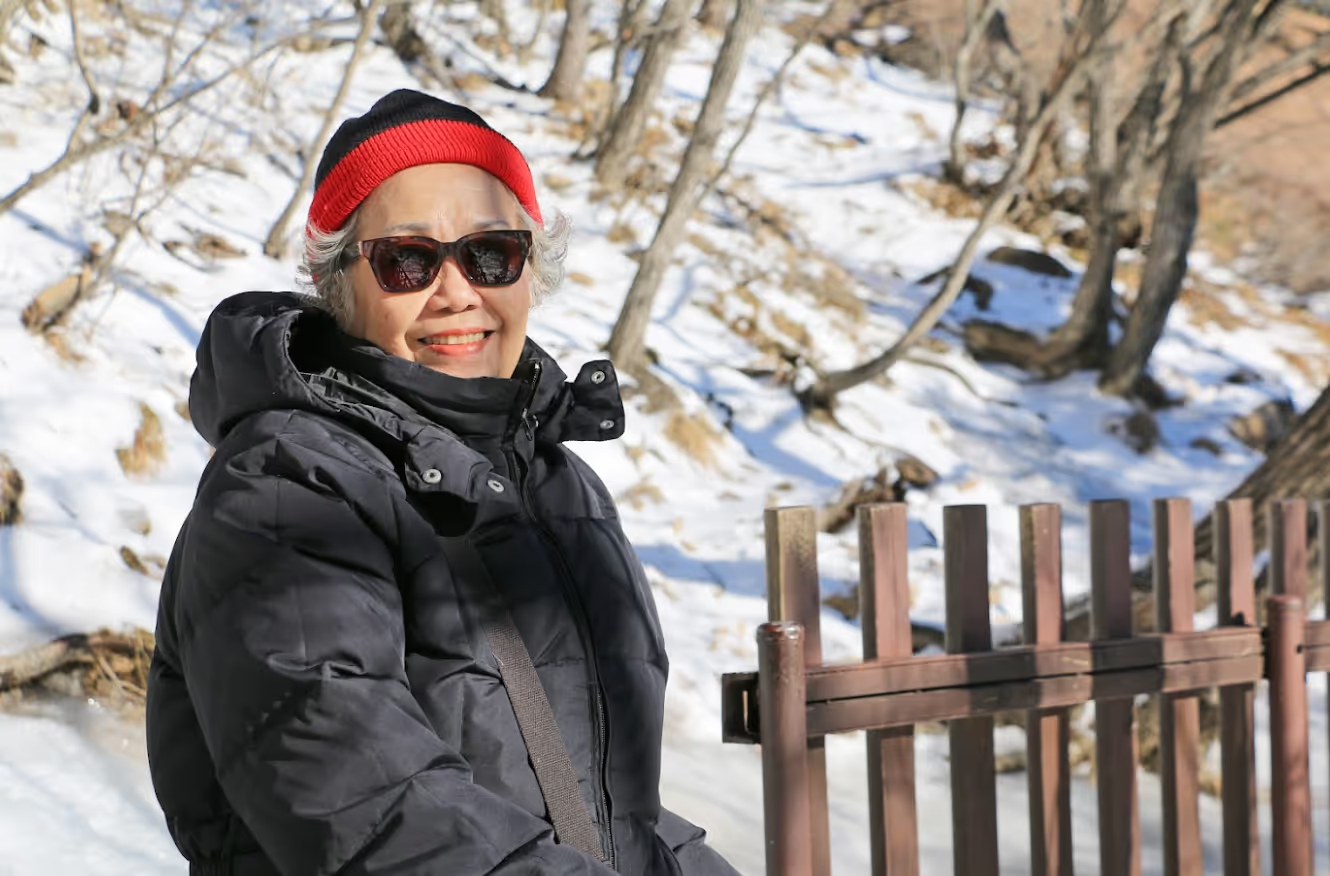
As winter tightens its grip, many older adults and vulnerable people face heightened risks from low indoor temperatures.
Cold homes can even trigger hypothermia, worsen respiratory conditions, and increase the risk of heart attacks, strokes or falls. And for people living alone or relying on support, these dangers can escalate quietly and go unnoticed, unless someone is monitoring the signs.
Why cold winters are dangerous for people with care needs
A warm home isn’t just a comfort - it’s crucial for good health and wellbeing. When indoor temperatures drop below safe levels, risks rise dramatically. But traditional check-ins often miss those critical overnight dips or rapid temperature drops caused by boiler failures or forgotten heating controls.
- According to NHS and government guidance, exposure to cold can sharply raise the risk of respiratory infections, cardiovascular events and mobility-related injuries.
- Research shows that when indoor temperatures drop below around 16°C, resistance to illness decreases and blood pressure may rise.
For vulnerable individuals - older people, those with chronic illness, dementia or mobility challenges, these risks are magnified.
Remote home care monitoring technology fills this gap with continuous, unobtrusive environmental data. Families also get reassurance, knowing they can check in without intruding.
Erik, who uses Lilli to support his mother, shared:
“The temperature insights have been a game-changer. I love the temperature feature. One day, I noticed something was off and was able to fix a broken heater before it became a real problem. My mother sometimes adjusts the heating without thinking, so this gives me an easy way to check and make sure she’s comfortable.”
This kind of early visibility can prevent illness, emergencies and costly hospital admissions, simply by catching a temperature concern in time.
How Remote Home Care Monitoring Protects Safety in Winter
Remote care monitoring systems like Lilli can detect environmental and behavioural changes in real time, even when carers or family are not physically present:
- Temperature Monitoring:
Sensors continually collect data on room temperature, informing care teams if levels drop to dangerous lows or, in summer, rise to dangerous highs.
- Activity & Behaviour Tracking:
By monitoring movement, bathroom usage and general daily routines, the system can pick up signs of diminished mobility, confusion or distress - all early indicators of risk.
- Early Alerts, Proactive Intervention:
When risk thresholds are crossed, this can be seen in the Lilli app. This allows for quick, early intervention: arranging a boiler repair, improving insulation, or prioritising a welfare visit.
Mr E’s Story: How Home Care Monitoring Identified a Dangerously Cold Home
In Nottinghamshire, the Care Data Monitoring Team (CDMT) spotted that Mr E’s home, which has Lilli in it, had been sitting below 15°C for several days - a worrying sign during the coldest part of winter.
When the team contacted his family and involved worker, they learned his boiler had broken. While waiting for a replacement, Mr E had been keeping warm in a single room using a fireplace. Thanks to the data insights, they could work together to set up temporary measures to ensure Mr E stayed safe and comfortable during the cold spell.
Once the new boiler was installed, the team could see the temperature rise back to a healthy level - giving reassurance that Mr E was warm, comfortable and no longer at risk.
This is the type of early, proactive intervention that simply wouldn’t happen without remote home care monitoring. And, by catching these issues early, care teams have been able to intervene before the temperature crisis leads to hospitalisations. This proactive model helps prevent cold-related illnesses and even saves lives, while reducing emergency demand on health services.
Why Remote Monitoring is a Better Winter Safety Strategy Than Traditional Checks
- Continuous Insight - Traditional home-visit schedules can miss periods when a house gets dangerously cold. Remote monitoring fills that gap.
- Resource Efficiency - Rather than relying on frequent manual checks, care teams can prioritise visits based on data, saving time and staff resources.
- Cost-Effective Prevention - Early intervention helps avoid expensive hospital admissions and readmissions, falls, or complicated cold-related illnesses.
- Dignity & Comfort - Remote home care monitoring is passive; people do not have to adjust their routines and are not observed directly, but can still stay safe.
The Bigger Picture: Preventing Winter Health Crisis at Scale
Remote care monitoring isn’t just a “nice extra” - in many cases, it’s a lifesaving winter tool. As social care teams face rising demand, limited resources and higher pressure in colder months, proactive monitoring offers a way to protect the most vulnerable efficiently and effectively.
And with many elderly people living alone, home care technology is often the tool needed for peace of mind for their families and loved ones. And for many families, like Erik’s and Mr E’s, that peace of mind is life-changing.
By helping maintain safe indoor temperatures, providing visibility to care teams or families early and enabling timely intervention, Lilli’s technology supports better health, greater independence and a resilient, preventive model of care.
If you’d like to find out a bit more about how Lilli helps protect vulnerable people, you can get in touch with us at hello@intelligentlilli.com.